

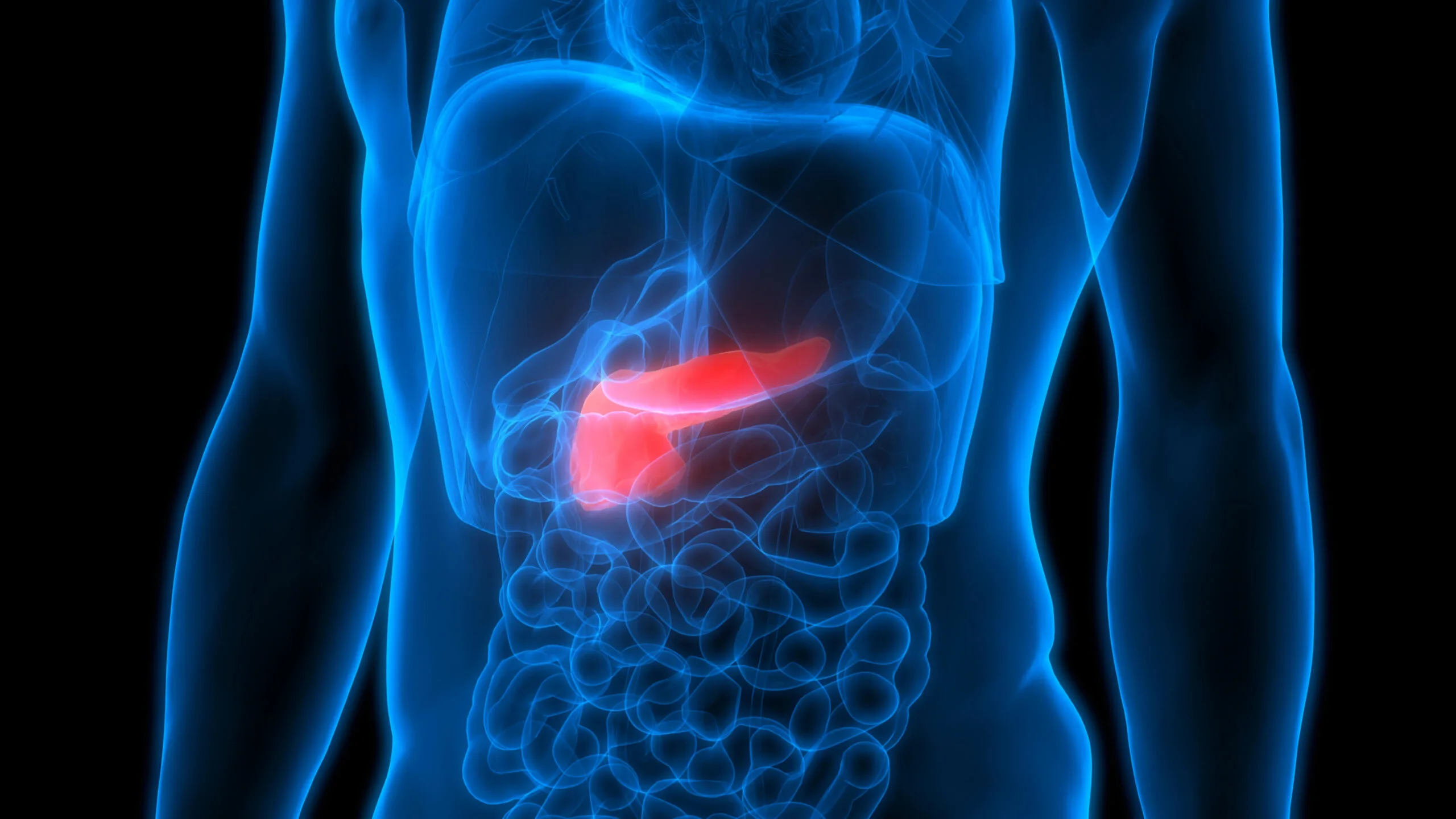
A patient in Nijmegen has become the first person in the world to receive a new form of genetic treatment for pancreatic cancer.
The treatment works by extracting the patient’s own white blood cells, which are a crucial part of the immune system, “reprogramming” them to attack cancer tumours and re-injecting them into the body.
Cancer specialists at the Radboudumc university hospital in Nijmegen said the procedure was still in its early stages, but the progress so far were promising.
Pancreatic cancer has the worst survival rate of any major cancer, with just 13% of patients still alive five years after diagnosis, though detecting the disease at an early stage improves the patient’s chances.
“It is a very innovative form of treatment,” Carla van Herpen, a medical oncologist and professor specialising in rare cancers at Radboudumc told De Gelderlander.
“The prognosis for pancreatic cancer is often poor and treatment options are limited, which is why it is so important to try to achieve new breakthroughs for this illness.”
Targeted cells
“The cells are given an extra receptor that can recognise a specific variation in the tumour cells, so that they can target and attack the cancer cells,” hermatologist Suzanne van Dorp explained.
The first patients are being given the treatment in addition to chemotherapy and have been warned that it could cause side effects such as fever. The results for the first patient will be known in a few months.
Cancer specialists hope that the treatment will shrink tumours to a size where they can be removed by an operation, improving the patient’s chances of survival.
However, they warn that the complex operation, which is similar to genetic procedures used to treat blood cancers, is not suitable for all types of pancreatic cancer.
“We can’t say yet if this is a breakthrough,” said Van Herpen. “But these kinds of studies give patients opportunities and help us develop new treatments.”
Thank you for donating to DutchNews.nl.
We could not provide the Dutch News service, and keep it free of charge, without the generous support of our readers. Your donations allow us to report on issues you tell us matter, and provide you with a summary of the most important Dutch news each day.
Make a donation