

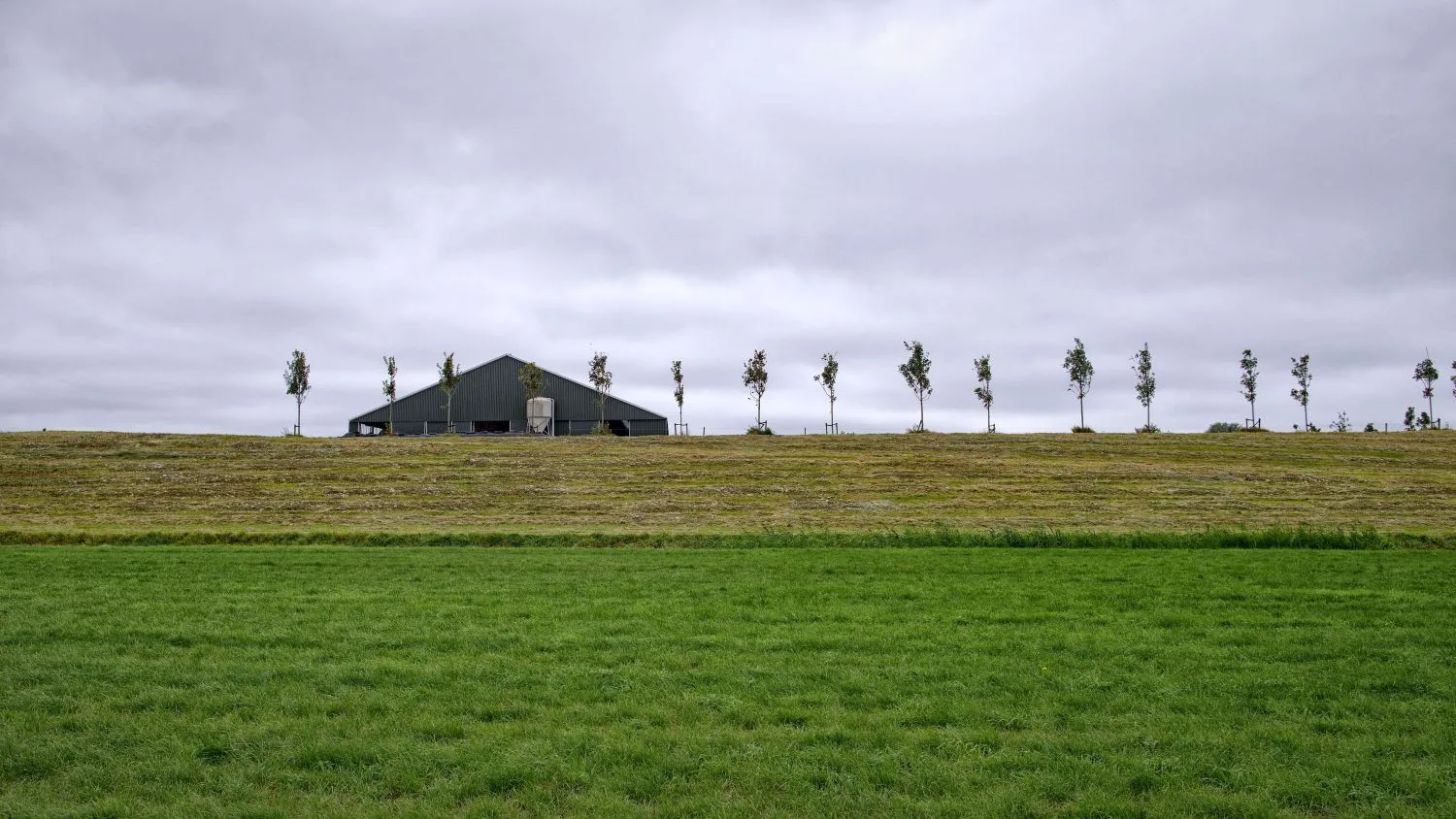
Terpen, or the ancient man-made dwelling mounds the Dutch built to protect their farmland and homes from flooding, were much more common in the Netherlands than previously thought, a new study by Wageningen University & Research has shown.
The best-known terpen are situated in the Wadden area but a large-scale inventory has shown that they were built in other types of landscape, including peat areas and river floodplains.
In the first inventory of its kind, the Wageningen researchers counted some 9,000 mounds, three times as many as previously thought. “We took a detailed look at other parts of the Netherlands as well, using several archeological and historical sources,” landscape archaeologist Roy van Beek said.
“We combined those with new research using digital elevation maps, resulting in a comprehensive overview. The Netherlands turns out to be littered with dwelling mounds,” he said.
The study shows that the mounds not only provided protection against the sea but also against the rising waters of the Rijn, Meuse and IJssel.
“In the peat areas the mounds were built because the soil subsided and became waterlogged. That process started some thousand years ago in the peat areas in the lower Netherlands when large-scale peat digging began. Subsidence is a big social problem to this day,” Van Beek said.
According to the researchers, most mounds date from the Middle Ages and after. Terpen from the Iron Age and Roman times are almost all situated in the Wadden area.
The large number of mounds shows that the lure of fertile farmland was enough for the early inhabitants of the Netherlands to take their chances against the elements, Van Beek said. Most were added to or elevated following floods, subsidence or other changes to the landscape.
“Most dwelling mounds are still inhabited, and building new ones is even seen as an option when building new houses. Our past and the stories of adaptation and ingenuity which are literally still beneath our feet can inform the choices we make today,” Van Beek said.
Thank you for donating to DutchNews.nl.
We could not provide the Dutch News service, and keep it free of charge, without the generous support of our readers. Your donations allow us to report on issues you tell us matter, and provide you with a summary of the most important Dutch news each day.
Make a donation