

On Wednesday the Netherlands goes to the polls to elect 8,554 councillors in 340 local authority areas. Among them will be tens of thousands of international residents who don’t have Dutch nationality but are allowed to vote because they are either EU nationals or have lived in the country for at least five years.
The limited research that has been done shows that many foreigners don’t take advantage of this right to vote — either because they don’t know they can, are not interested, or can’t make head nor tail of what it is all about.
In the 20 years that Dutch News has been around, we have tried to encourage our readers to make the most of their democratic right to vote by explaining how the election system works, what the parties stand for and what the big issues are in the cities where most of you live.
For the most part it has been an uphill battle — an endless round of phone calls and emails to council offices looking for information, and often being ignored or being told “I don’t know”.
That is now, however, changing.
In The Hague there have been no fewer than four English-language debates and a local television programme devoted to informing the city’s international residents about the elections.
In Eindhoven, the international community has been out campaigning, organising meetings and standing for election themselves. Groningen, Zaanstad, Maastricht, Delft… they’ve all been making more of an effort to comply with European legislation requiring them to inform people about their voting rights.
Look at Oegstgeest. This town of 26,000 near Leiden commissioned its own “Stemwijzer” voting aid in English and is urging its foreign residents to “help shape the future of our village”.
In fact, Oegstgeest has put in more effort than Amsterdam, which left it up to local television station AT5 to pay for a Kieskompas voting aid in English and could do no more than include a QR code link on a Dutch leaflet to encourage its international residents to vote.
Political parties, stung by low turnouts and the need to attract more votes, are also waking up to the fact that there are thousands of potential voters waiting to be snapped up. It feels as if there are more English-language manifestos and summaries out there than ever before.
The Dutch media are also realising that the international community has impact. Trouw, the Financieele Dagblad, the NRC, the Parool and the Groene Amsterdammer have all published articles about how important your votes actually are.
Anti-foreigner sentiment
At the same time, however, one of the issues in these elections — in the Dutch-language campaign at least — has been the increasing dominance of the international community, which gets blamed for a breakdown in social cohesion, buying all the houses and speaking English while working in cafes and shops.
And that is not to mention the abuse and exploitation faced by people working in low-skilled jobs in logistics, greenhouses and slaughterhouses — often dismissively referred to as “migrant labourers” rather than fancy expats, and many of whom are EU nationals with voting rights as well.
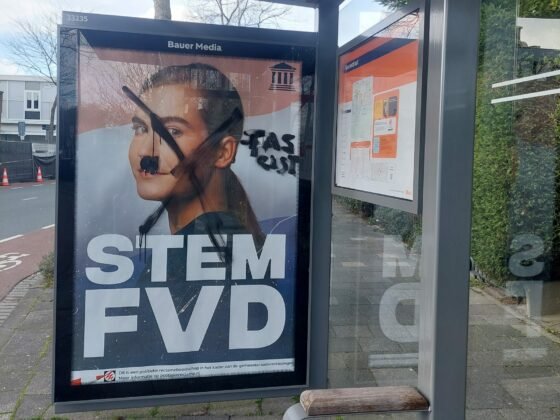
The top line in Actief voor Amstelveen’s manifesto is “less internationalisation”. Leefbaar Rotterdam wants to bring back legislation allowing the council to dictate where “outsiders” can live. Parties all over the country want to put their own locals first.
Know your rights
Yet the Dutch economy revolves around foreign labour. Amsterdam and Oegstgeest need their foreign residents. Towns, cities and political parties need to wake up to the fact that lots of internationals do speak Dutch, and they know when they are being talked about.
Tackling discrimination and anti-immigrant sentiment is something the international community needs to work on as well. The Netherlands’s foreign population should become part of the debate, not the subject of it.
So get out there on Wednesday and use your vote if you’ve got one. Demand to be taken seriously. You are taxpayers, you are homeowners, you are parents, you are residents, you are locals. You have a voice. Use it.
For all of Dutch News local election coverage, check out the special website section. Polling stations are open on March 18 from 7.30 am to 9 pm.