

Our regular columnist Molly Quell wonders if we can all survive the final year of fireworks in the Netherlands – and if this is really the end of our national nightmare.
It has already begun. Teenagers shooting off fireworks. The booms disrupt my work calls and frighten my dog.
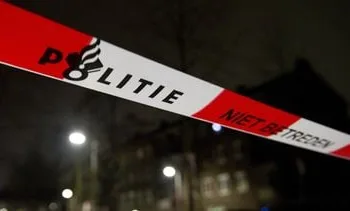
I’ve already had to phone the police twice to report illegal firework usage -once by a bunch of school kids who were chucking them at a parking enforcement car, clearly too young to understand the financial value of tickets for the city’s coffers.
In the summer, the Dutch senate finally backed a ban on the sale of fireworks to consumers to be introduced in 2026.
The move came after a long-running campaign by doctors, emergency service workers and others to end the traditional New Year fireworks frenzy, which regularly causes hundreds of injuries and millions of euros in damage to private property.
Last year, Nijmegen mayor Hubert Bruls, whose city banned fireworks but still couldn’t keep them out, called the annual spectacle a “Dutch disease.”
Ringing in 2024 cost a 14-year-old boy from Rotterdam his life (he was trying to relight an illegal cobra firework), at least 17 people their eyesight and dozens and dozens of police cars.
From next year, fireworks categorised as F2 (there are scales for fireworks apparently) will be forbidden. That doesn’t include things like sparklers, which will continue to be allowed.
The police are bracing themselves for the final onslaught. Ko Minderhoud, the police’s national fireworks coordinator, told the Volkskrank that they have seen an increase in firework sales in anticipation of the final year. “More fireworks means more explosions, which also increases the risk of injuries, eye damage, and burns,” he said.
A Nu.nl survey found that most municipalities are expecting an increase in incidents this year. “We expect some residents will want to seize this opportunity to go all out,” one city said.
Plenty of cities, including Amsterdam, have already banned the use of fireworks, rules which appear to have had zero impact on firework usage. Cities which have banned their use still can’t ban their sale, however, as that’s regulated by the national government.
Use in these places has “barely changed” according to an assessment of so-called firework free zones.
But now the fireworks will go everywhere, right?
In 2020 the country banned the sale of certain powerful fireworks so the Dutch flocked to neighboring Belgium and Germany for their shopping.
Worse yet, it isn’t guaranteed that the ban will happen. The regulation will only come into effect if three conditions have been met: a police enforcement must be put in place, a compensation fund for sellers must be created and mayors must be able to grant exemptions for associations that want to set off fireworks.
Yes, you read that correctly. Cities will get to … just allow people to set off fireworks if they jump through some bureaucratic hoops. This “Dutch disease” doesn’t just cause eye injuries and missing fingers but apparently also brain rot.

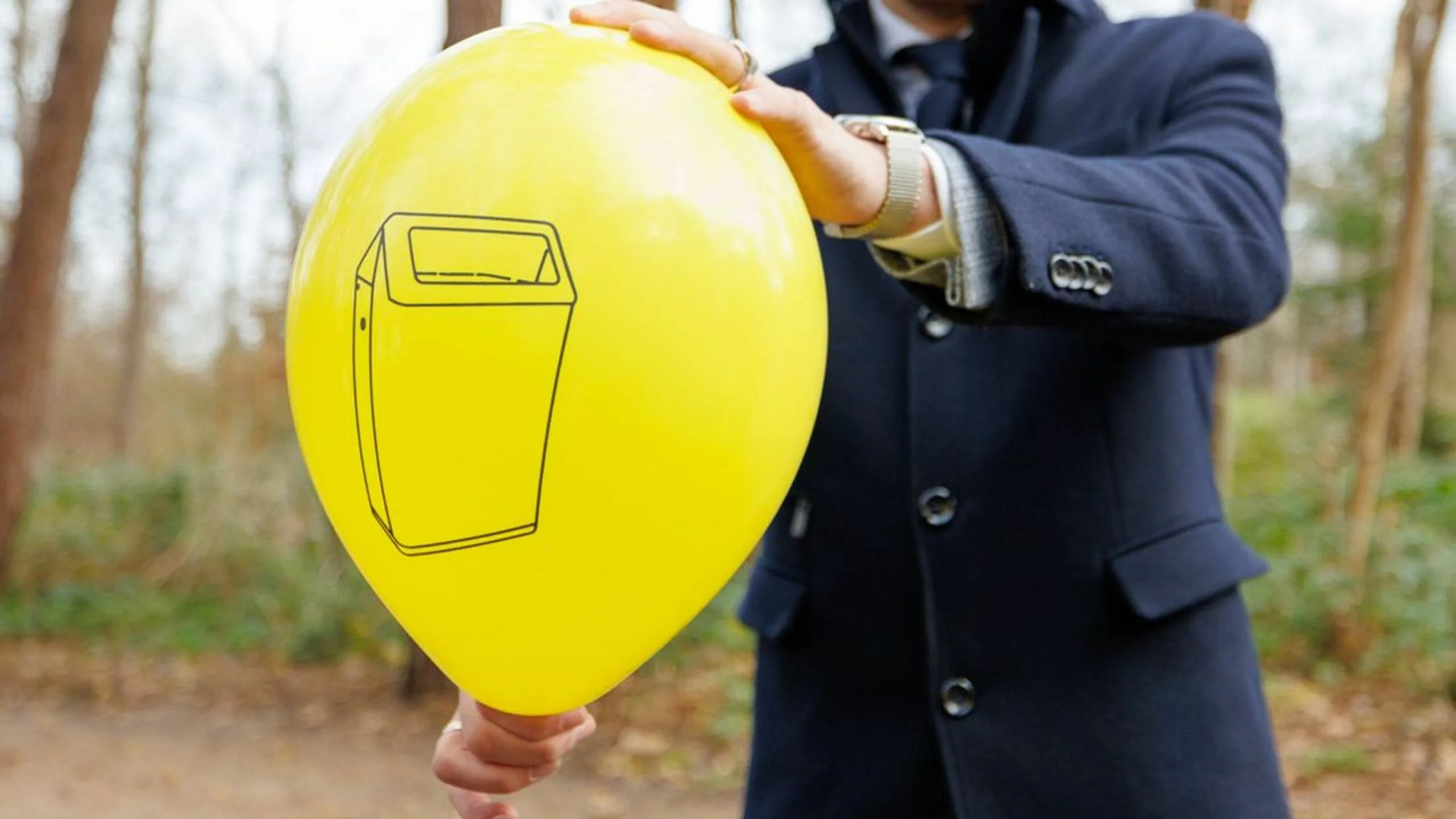
Maybe we could all take a page out of Katwijk’s playbook. The seaside resort is distributing balloons to all its residents this week, printed with a drawing of a rubbish bin, and urging locals to blow those up instead of the town’s waste containers.
That’s as likely to succeed as any of the other ideas.